SECURITY OPERATIONS/START SEQUENCE 001
Your first move
is a safer one.
A clear-eyed field guide to getting started with a Ledger hardware wallet. Six checkpoints, one deliberate sequence: prepare, verify, and protect your recovery before you move value.
Enter the timeline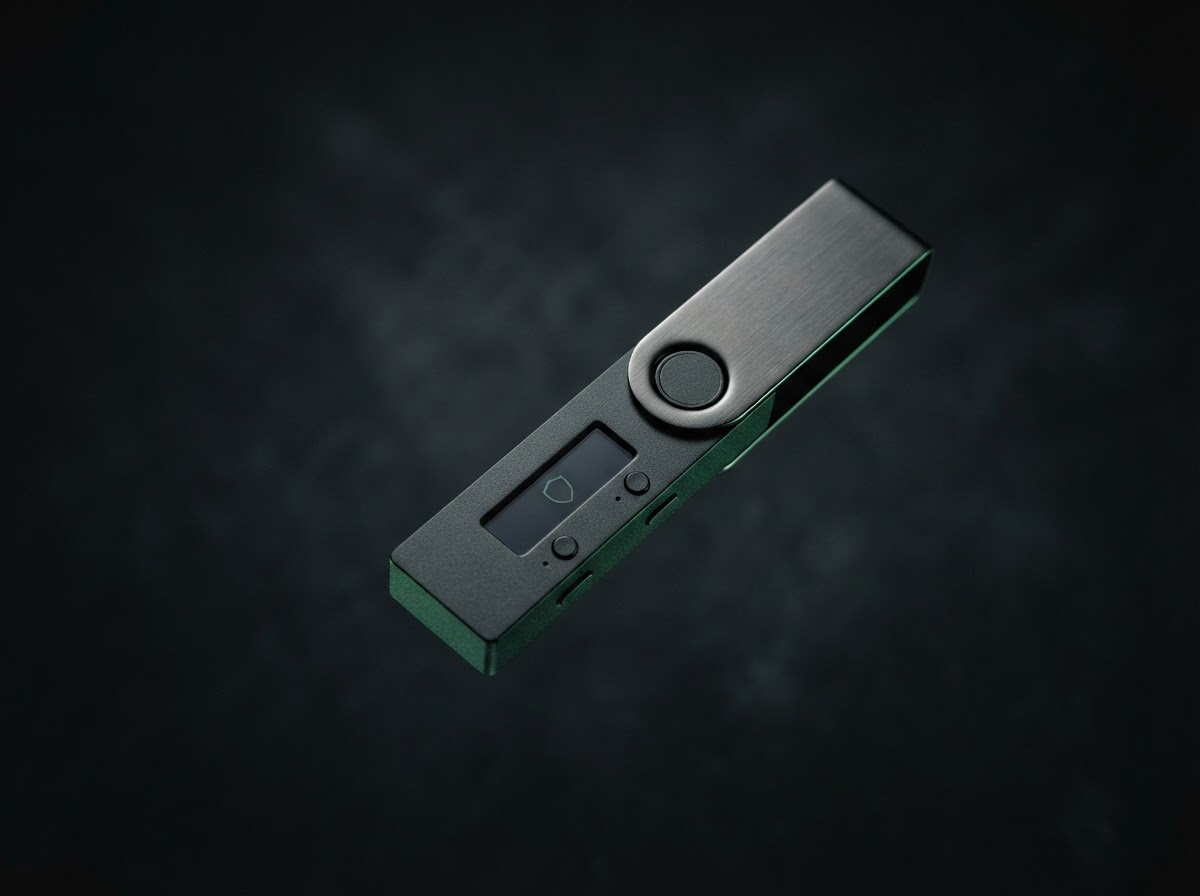
Start with the
right mental model.
A hardware wallet is a signing device—not a vault that holds coins.
Your crypto assets exist on their respective networks. A Ledger device keeps the private keys used to authorize transactions isolated from an internet-connected computer or phone. When you initiate an action in a compatible app, transaction details are prepared on screen; the device lets you inspect and approve the signing request.
That distinction matters. The device can help protect keys, but it cannot make every link, application, or decision safe. You remain the final approver. Treat setup as a security procedure, not a race to get through the screens.
OPERATING PRINCIPLE
Pause at every approval. If the details do not make sense, do not sign.
Prepare your
environment.
A calm setup starts before you connect anything.
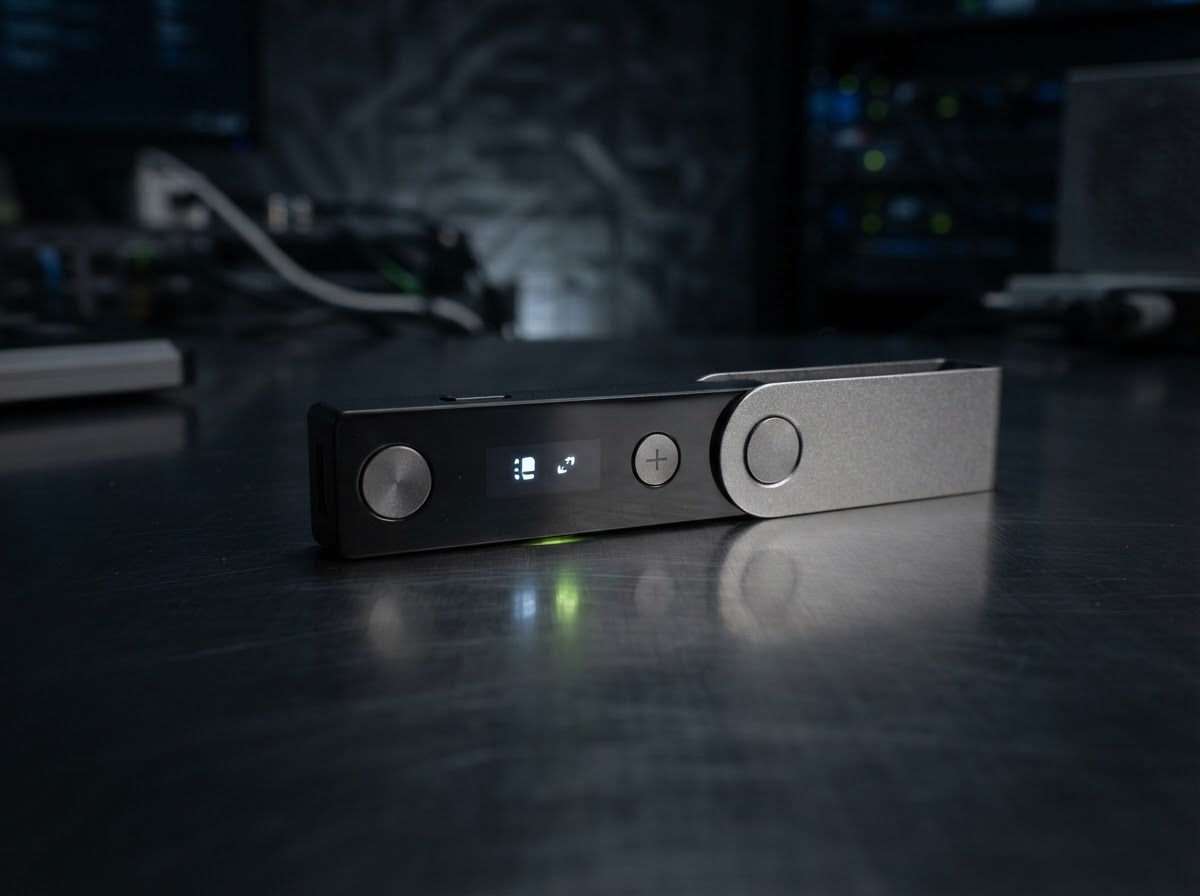
Choose a private place with enough time to read each prompt. Use a computer or phone you control, keep its operating system and browser reasonably current, and avoid public Wi‑Fi or shared devices for account-sensitive work. Have the cable or other connection method specified for your model ready, along with a pen and paper for recovery instructions.
Think through where a recovery phrase can be written and stored so it is private, durable, and accessible to you if the device is lost or damaged. Do not photograph it, copy it into a notes app, save it to cloud storage, or send it to anyone. Never prepare a digital “backup” that creates another online copy of the secret.
Private, quiet, uninterrupted.
Your own trusted computer or phone.
Offline recovery storage chosen first.
Verify the source.
Then verify again.
The first security decision is where you get the instructions.
Navigate to Ledger’s official website by typing the address yourself or using a trusted bookmark. Check the spelling and domain before proceeding; ads, search results, direct messages, QR codes, and unsolicited “support” replies can lead to convincing imitations. Do not follow setup links from strangers, and do not install wallet software from unofficial app stores or file-sharing pages.
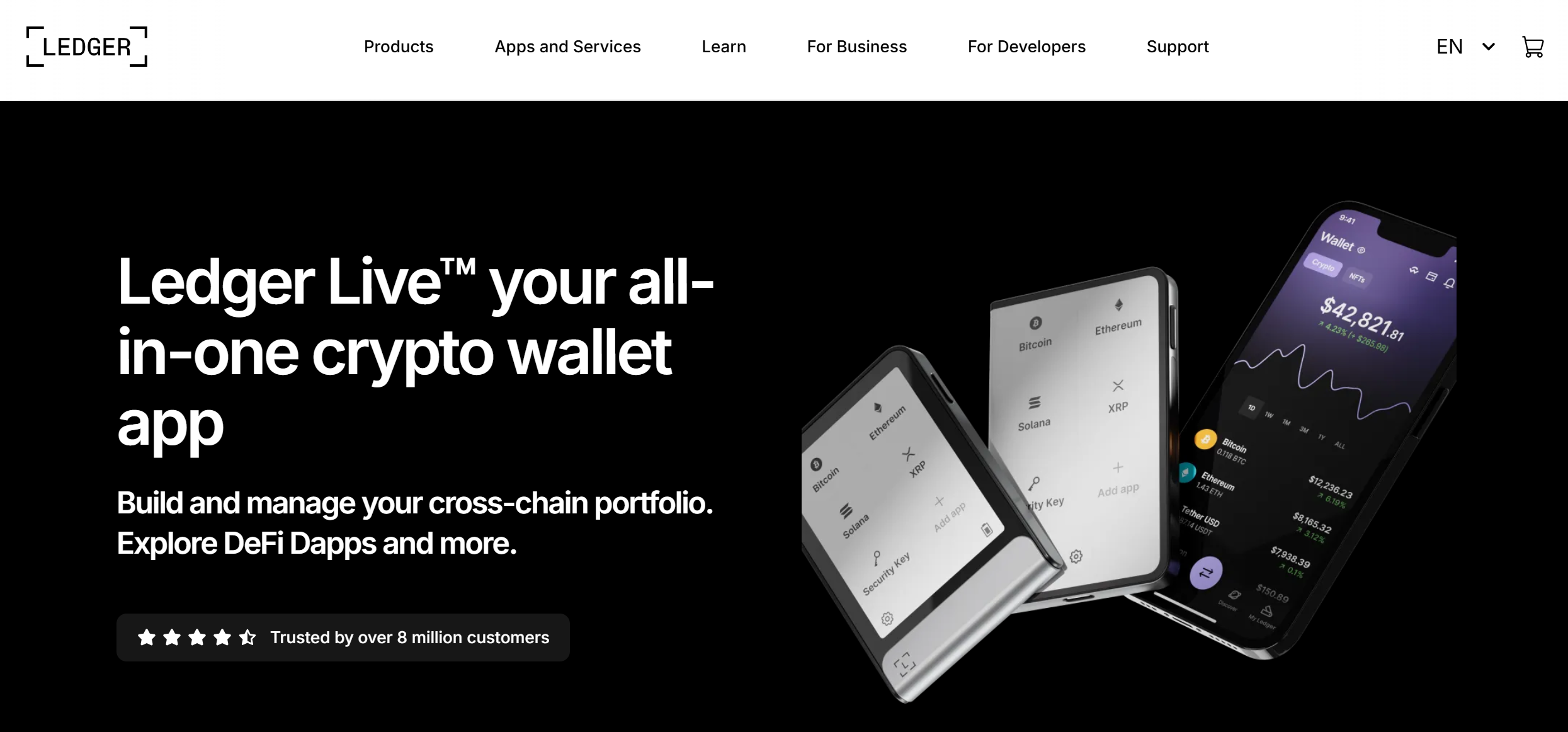
Download Ledger Wallet (formerly Ledger Live) only through official Ledger channels and follow the current instructions for your exact device and operating system. If an instruction conflicts with what the device itself displays, stop and verify through official documentation reached independently. Ledger support will never need your recovery phrase. Anyone asking for it is asking for control of your assets.
Requests to share, type, photograph, or “validate” your recovery phrase online are malicious. No support agent or website should need it.
Set up in sequence.
Let the official workflow guide you; never skip a check to save a minute.
Unbox the device yourself and inspect the contents. A legitimate new Ledger device should be initialized by you; it should not arrive with a prewritten recovery phrase or ask you to use one supplied in the package. Connect it and follow the official onboarding prompts for initialization or restoration. Use the recovery phrase generated by your own device only if you are setting up a new wallet; never enter a phrase provided by a seller, a website, or a support contact.
Install the official companion app through Ledger’s verified route, then use its device authenticity check when offered. Choose a PIN on the device, not in a message or a third-party prompt. Write down recovery words in the exact order shown on the device, then complete the device’s confirmation steps. Exact labels and screens can change, so follow the current model-specific instructions rather than relying on a screenshot from another version.
Protect the recovery
information.
The recovery phrase is the backup to your keys—and a target worth protecting.
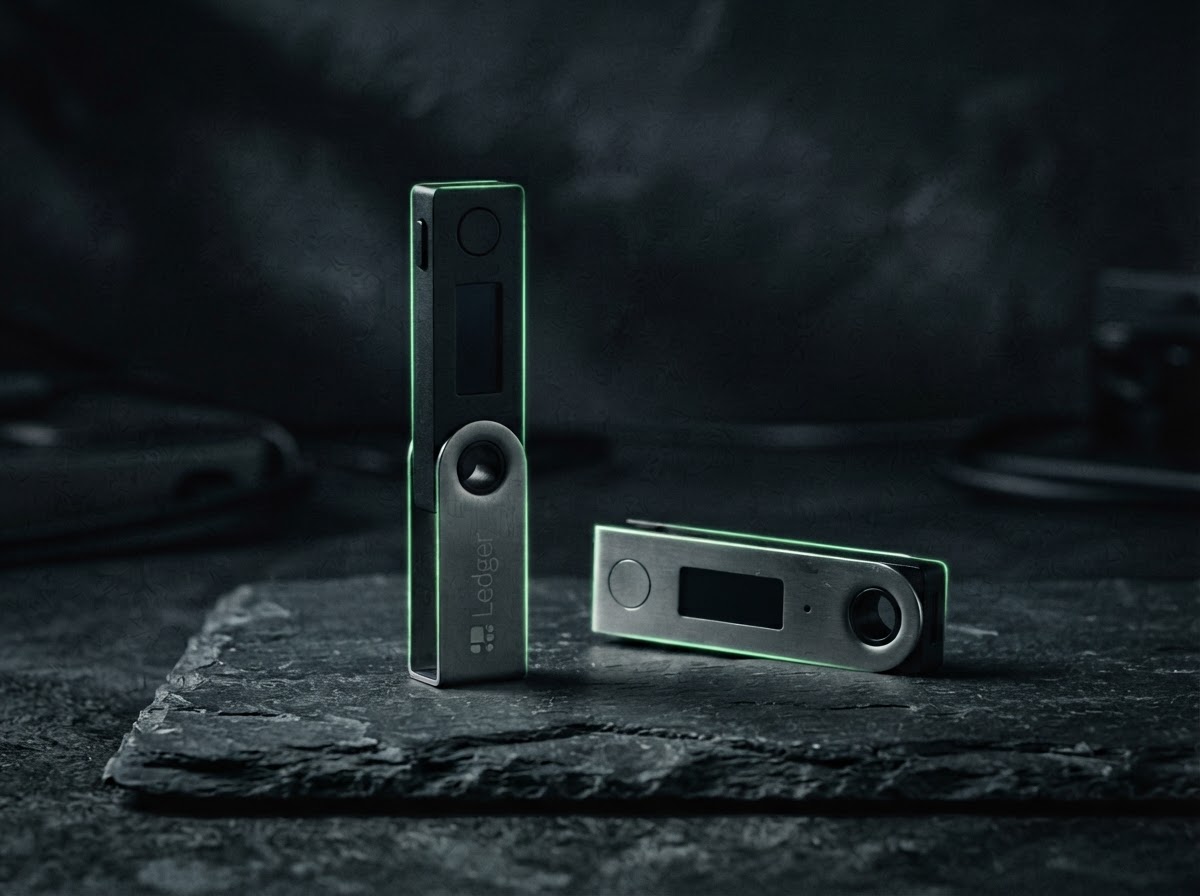
Anyone who obtains your recovery phrase may be able to restore the wallet elsewhere. Keep it offline and out of sight. Store it somewhere private, protected from casual access and foreseeable damage, and consider whether your circumstances call for a second secure location. Balance resilience with the risk of making extra copies: each copy is another secret to protect.
Never disclose the words to a person, website, app, camera, or computer. Do not enter them into a web form to “sync,” “upgrade,” or “secure” the wallet. A PIN protects access to the physical device; it is not a substitute for keeping recovery information secret. If you suspect the phrase has been exposed, treat it as compromised and consult Ledger’s official security guidance promptly from a verified source.
Review before
you move value.
Finish the setup only when each point is clear to you.
- Device and app instructions came from official Ledger channels.
- The device was initialized by you, with no supplied recovery phrase.
- Your recovery words are accurate, offline, and never shared.
- You understand each transaction before approving it on the device.
Start with a small, deliberate action only after you understand the network, recipient, fees, and what the device is asking you to approve. Read addresses and transaction details on the hardware wallet screen; do not assume a familiar label in an app is enough. If anything feels pressured, unexpected, or unclear, pause. Security is not a one-time setup screen—it is the habit of verifying each important step.
SEQUENCE COMPLETE
Keep official instructions bookmarked. Revisit this checklist when your device, software, or security situation changes.
A note on this guide
This is an independent educational overview, not a substitute for current, model-specific instructions from Ledger. Product screens and procedures may change. Always verify setup details through Ledger’s official website and documentation. This guide does not provide investment, tax, or legal advice.
/ LS-START-001